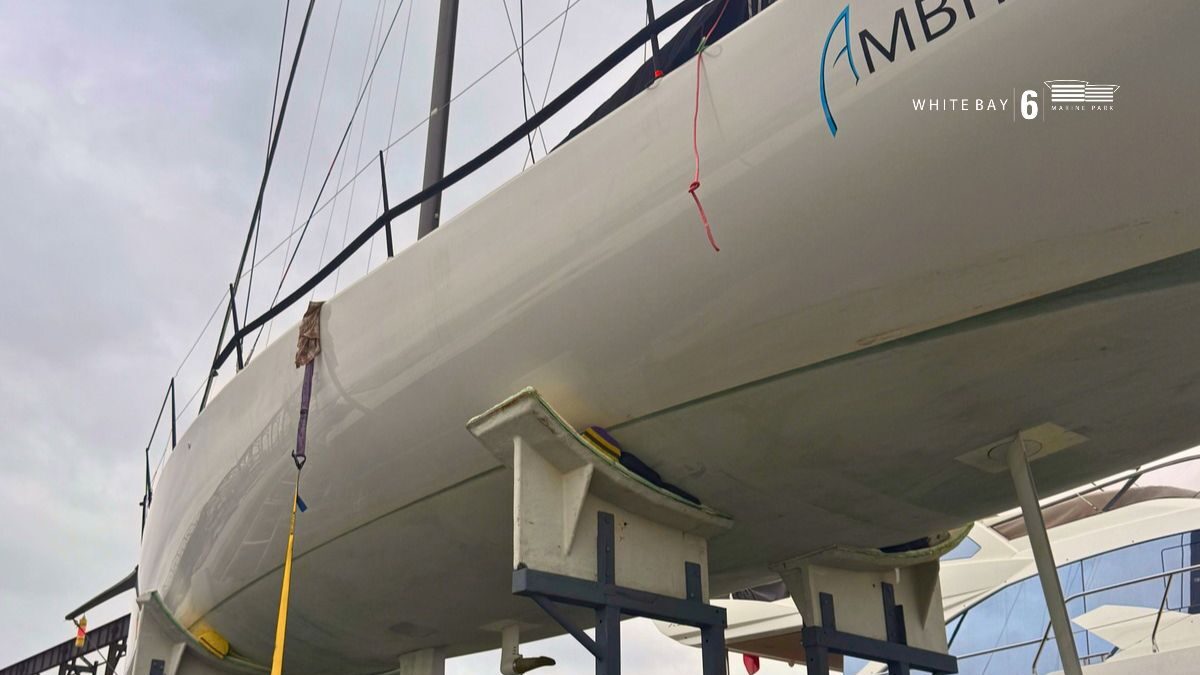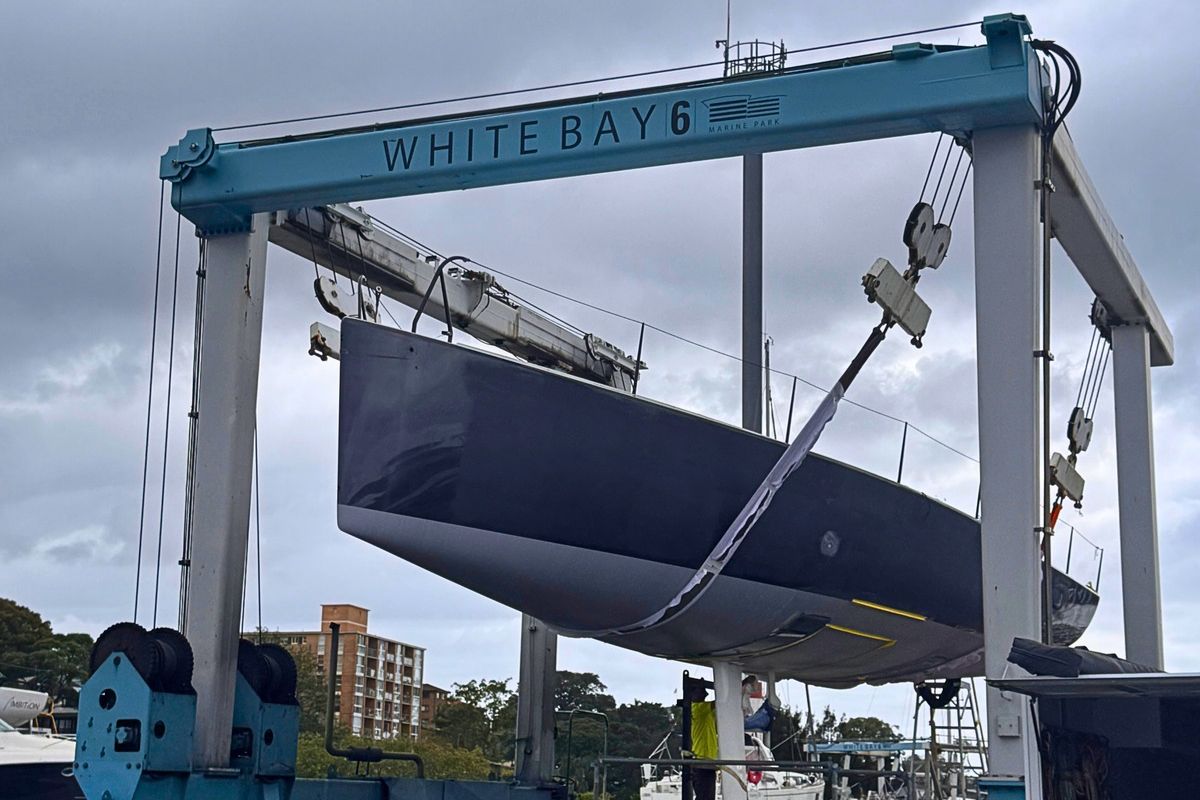
For competitive sailors, every detail matters. Sail trim, crew weight, wind conditions and sail selection all play an important role in performance. But there’s another factor that can make a noticeable difference on the racecourse: the condition of your hull below the waterline.
A clean, smooth hull helps reduce drag through the water, allowing your vessel to perform as intended. Marine growth, deteriorating antifoul and an uneven surface can all compromise performance, making regular hull maintenance an important part of any competitive sailing programme.
Whether you’re preparing for a major regatta or looking to get the most out of your yacht on Sydney Harbour, getting your antifouling right is essential. The experts at White Bay 6 Marine Park can help you understand your vessel’s requirements, select a suitable antifouling system and determine the best approach to achieving a quality finish.
Here’s what competitive sailors should consider when it comes to antifouling.
Why Hull Condition Matters for Sailing Performance
When it comes to racing, even relatively small details can influence how a yacht performs.
Marine growth such as slime, weed and barnacles creates additional resistance as the hull moves through the water. This can affect boat speed, acceleration and overall sailing efficiency.
A smooth, well-maintained underwater surface helps minimise unnecessary drag and allows the hull to move more efficiently through the water.
For competitive sailors, this means antifouling isn’t simply about protecting the hull from marine growth. It’s also an important consideration when preparing a vessel for consistent performance throughout the sailing season.
1. Choose the Right Antifouling for Your Racing Yacht
Not all antifouling products are designed for the same conditions or types of vessels.
Competitive sailing yachts often have different requirements to boats used primarily for recreational cruising. The amount of time spent in the water, sailing frequency, hull material and desired finish should all be considered when selecting an antifouling system.
Hard antifouling is commonly considered for racing applications because it provides a durable coating that can, where the product allows, be carefully sanded or burnished to achieve a smoother finish.
Ablative or self-polishing antifouling works differently, gradually wearing away during use to help prevent marine organisms from attaching to the hull.
The best option depends on how your yacht is used, where it is berthed and the conditions it operates in.
Before choosing a product, it’s worth discussing your requirements with the experts at White Bay 6 Marine Park to establish the most suitable system for your vessel.
2. Prioritise Surface Preparation
A quality antifouling application starts well before the first coat of paint is applied.
Proper preparation is essential for achieving a consistent finish and ensuring the new coating adheres correctly.
Before applying antifoul, the hull should be thoroughly inspected and prepared. This includes:
- Pressure blasting the hull to remove marine growth, slime and surface contamination.
- Assessing the condition of the existing antifouling and identifying any peeling, cracking or damaged areas.
- Checking the vessel’s paint history and the compatibility of existing and new coating systems.
- Sanding the hull to provide a sound key for the new coating and a smooth, consistent surface. At White Bay 6 Marine Park, sanding is carried out by trained staff using dust extraction and environmental controls.
- Fairing or addressing any surface imperfections that may affect the final finish.
For racing yachts, surface consistency deserves particular attention. An uneven or poorly prepared coating can compromise the quality of the finished surface.
Taking the time to prepare the hull properly helps establish the foundation for a more reliable antifouling result.
3. Consider the Benefits of Spray Antifouling
The method of application can also influence the final finish.
At White Bay 6 Marine Park, both roll-on and spray antifouling options are available, allowing the application method to be considered alongside the vessel’s requirements and existing coating system.
Spray application can help achieve an even, consistent coating across the hull, making it an option worth considering for vessels where surface finish is a priority.
Roll-on antifouling also remains a practical solution for many vessels, with the appropriate method depending on the product, hull condition and desired outcome.
For competitive sailors looking to achieve a high-quality finish, discussing the advantages of each application method before work begins is a worthwhile step.
4. Don’t Overlook Your Keel, Rudder and Underwater Hardware
Your hull isn’t the only part of your yacht that interacts with the water.
The keel, rudder, propeller and other underwater components all contribute to how your vessel moves and handles.
Marine growth, corrosion or deterioration on these components can affect performance and should be addressed during routine maintenance.
A haul-out provides an ideal opportunity to inspect these areas and identify any work that may be required.
It’s also worth considering specialist foul-release protection for underwater metals. White Bay 6 Marine Park is an approved PropSpeed applicator, providing an additional option for protecting suitable propellers and underwater running gear.
Addressing these components during the same haul-out can help ensure your vessel receives more comprehensive underwater maintenance.
5. Keep Your Hull Clean Between Races
Antifouling helps prevent marine growth, but it doesn’t mean your hull will remain completely free of fouling throughout the season.
Slime and other marine organisms can still accumulate over time, particularly when boats remain in the water for extended periods.
Regularly checking your hull’s condition can help identify early signs of growth before they become a more significant issue.
For competitive sailors, this is particularly important in the lead-up to major racing events.
A few considerations include:
- Monitor the hull for early signs of slime or marine growth.
- Keep track of when your antifouling was last applied.
- Inspect the keel, rudder and propeller alongside the hull.
- Arrange professional cleaning or maintenance when required.
- Follow the antifouling manufacturer’s recommendations for cleaning and maintenance.
Any in-water cleaning should also be carried out in accordance with applicable environmental requirements and product recommendations.
Get Your Yacht Race-Ready at White Bay 6 Marine Park
For competitive sailors, hull maintenance is an important part of getting the most out of their vessel.
From selecting a suitable antifouling system to achieving a consistent finish and inspecting underwater hardware, taking a considered approach to maintenance can help keep your yacht performing at its best.
White Bay 6 Marine Park provides professional haul-out and antifouling services for a wide range of vessels, from recreational boats through to grand prix racing yachts.
With both roll-on and spray antifouling available, alongside PropSpeed application by an approved applicator, boat owners can address a range of underwater maintenance requirements in one convenient location.
Whether you’re preparing for your next regatta or planning routine maintenance between racing seasons, the team at White Bay 6 Marine Park can help you consider the right approach for your vessel.