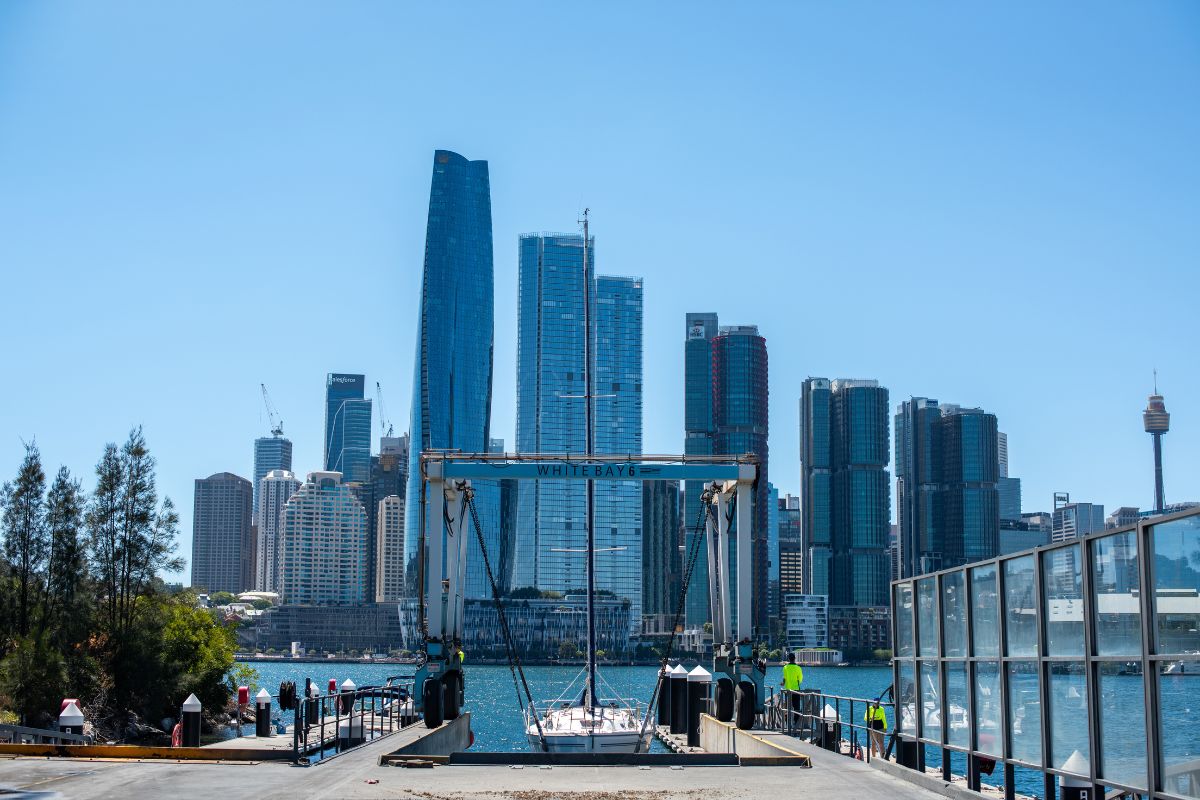
How Often Should You Antifoul Your Boat in Sydney Harbour?
One of the most common questions boat owners ask is simple: how often should I antifoul my boat?
The answer depends on several factors, but in a busy and biologically active environment like Sydney Harbour, timing your antifouling correctly is critical to maintaining performance, protecting your hull, and avoiding unnecessary costs.
Why Antifouling Frequency Matters
Antifouling is not a set-and-forget solution.
Over time, all antifouling coatings lose their effectiveness. As they wear down, marine growth begins to take hold, increasing drag, reducing speed, and impacting fuel efficiency.
Leave it too long, and you are no longer protecting your hull. You are simply reacting to the problem.
Typical Timeframes
For most vessels in Sydney Harbour, antifouling is typically required every 12 to 18 months.
However, this is a general guide, not a rule.
Some boats may need attention sooner, particularly if they are used frequently or kept in high-growth areas. Others, especially those used less often or stored out of the water, may stretch slightly longer.
What Affects Antifouling Lifespan?
Several key factors determine how long your antifouling will last:
Usage
Regular use can help reduce buildup, but high-speed or frequent operation can also wear coatings faster.
Water Conditions
Sydney Harbour is known for strong marine growth due to nutrient levels and water temperature.
Berth Location
Still water areas often experience more growth than areas with strong tidal flow.
Type of Antifouling
Different coatings are designed for different conditions and boat usage.
Application Quality
Proper preparation and correct application thickness, as well as precise drying times, play a major role in how long antifouling remains effective.
Signs It’s Time to Reapply
Rather than relying purely on time, it is important to watch for signs your antifouling is losing effectiveness:
• Visible slime or marine growth
• Reduced speed or responsiveness
• Increased fuel consumption
• Patchy or worn coating areas
Catching these signs early can prevent more serious buildup and reduce the cost of your next haul-out.
The Risk of Waiting Too Long
Delaying antifouling often leads to higher costs in the long run.
Heavy fouling requires more intensive cleaning and accurate preparation, which increases labour time and can impact the condition of the hull beneath.
Performance losses also compound over time, meaning you are paying more in fuel and putting additional strain on your engine and running gear.
A Proactive Approach Works Best
The most effective strategy is to treat antifouling as part of a regular maintenance schedule.
Planning ahead allows you to maintain consistent performance, avoid peak-season delays, and ensure your boat is always ready to go when you are.
The experienced antifoul applicators at White Bay 6 Marine Park understand Sydney Harbour conditions and can advise on the ideal antifouling schedule for your vessel, ensuring optimal performance, protection, and fuel efficiency year-round.