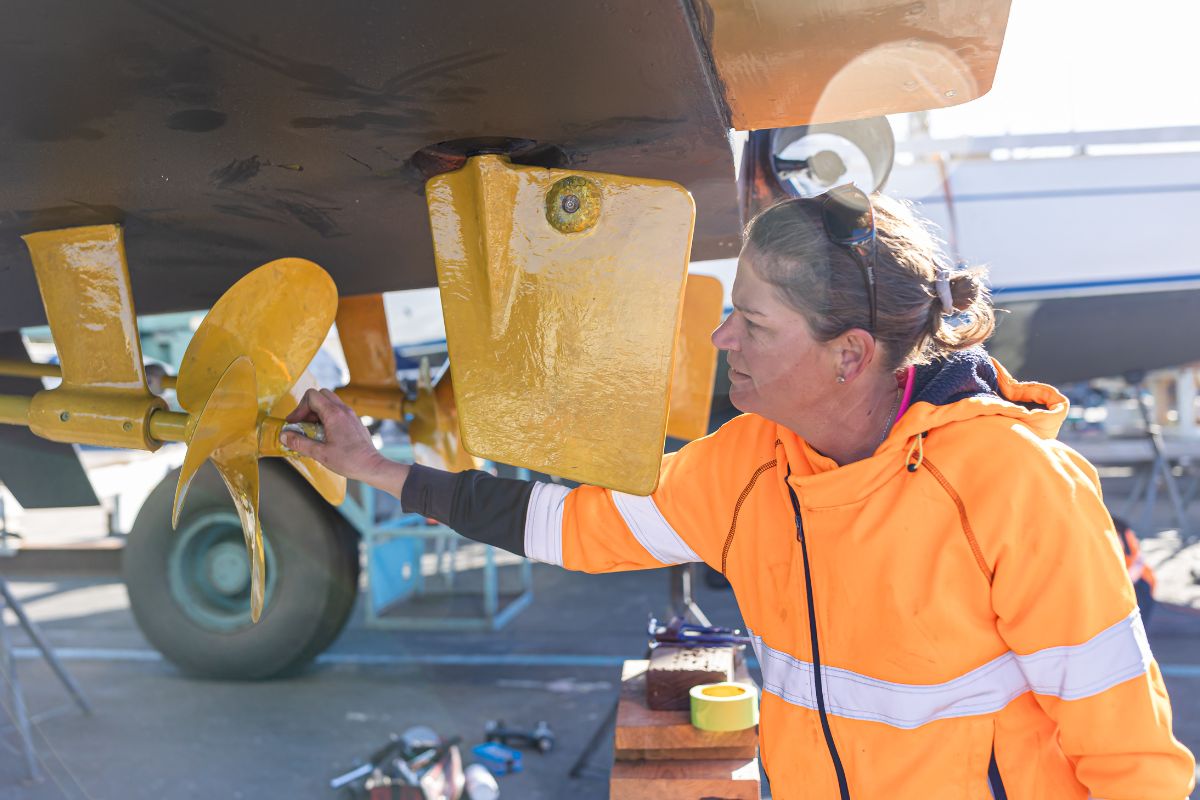
Environmental Considerations in Modern Antifouling
Antifouling plays a critical role in maintaining boat performance, but it also has an important environmental dimension.
Modern antifouling practices are no longer just about preventing marine growth. They are about balancing performance with responsible environmental management across all waterways.
Why Environmental Impact Matters
Traditional antifouling coatings relied heavily on biocides to prevent marine growth. While effective, these substances can leach into the water and severely impact marine ecosystems over time.
Today, there is a stronger focus on reducing environmental impact without compromising performance. This shift is being driven by regulation, innovation, and increased awareness among boat owners.
Advances in Antifouling Technology
Modern antifouling systems are designed to be more targeted and efficient.
This includes:
- Lower-toxicity coatings
- Controlled biocide release systems
- Hard and ablative coatings that reduce unnecessary leaching
- Silicone and foul-release coatings that minimise organism attachment
Choosing the right system is not just about your boat. It is about how that system interacts with the delicate surrounding environment.
Responsible Application and Maintenance
Environmental impact is not only about the product used. It is also about how antifouling is applied and maintained.
Best practices include:
- Proper containment and treatment of sanding and blasting waste
- Controlled wash-down and runoff management
- Safe handling and disposal of old coatings
- Minimising overspray, emmisions and contamination
Without these controls, even the most advanced antifouling products can have unintended consequences to our environment.
The Role of Professional Facilities
This is where professional marine facilities make a significant difference.
Certified facilities are equipped with the systems and processes needed to manage environmental impact compliantly and effectively. From waste capture, runoff water treatment and emissions control, every step is designed to reduce harm to the surrounding marine environment.
White Bay 6 Marine Park is recognised as an International Clean Marina and holds Gold Anchor global marina accreditation, reflecting a strong commitment to environmental best practice and operational excellence. This commitment is backed by full transparency, with environmental policies and procedures publicly available for customers to review.
Small Choices, Big Impact
Protecting our waterways is a shared responsibility.
Choosing environmentally conscious antifouling products, maintaining your vessel properly, and using professional facilities all contribute to reducing your impact over time.
When multiplied across thousands of vessels, these small decisions make a meaningful difference.
Performance and Responsibility Go Together
There is a common misconception that environmentally conscious antifouling means sacrificing performance.
Modern systems are designed to deliver both. With the right product and proper application, you can maintain speed, efficiency, and hull protection while also reducing environmental impact.
The experienced team at White Bay 6 Marine Park understand how to balance performance with environmental responsibility, helping boat owners make informed choices that protect both their vessel and the waterways they enjoy.